Property surveys and roof assessment
A property survey reveals what a building has endured and what it still has ahead. Learn how to read a professional assessment and make decisions about maintenance and replacement.
What a survey is and why it matters
A property survey walks through every visible system—roof, walls, foundation, mechanical systems, interior conditions—and documents what the property manager or owner needs to know to maintain the building or plan for replacement. Unlike an inspection after damage, a thorough survey captures the baseline. It tells you how much life remains in the roof, whether the foundation is settling, if windows are failing, and whether systems are approaching replacement cost.
A survey is not a wish list of improvements. It is a factual record of what the building currently is and what it will need in the next 5, 10, and 20 years.
Property managers rely on surveys to budget accurately, prioritize work, and defend decisions to owners. A roof that is five years old will carry a different assessment than one that is twenty years old. The survey documents the facts that guide that assessment.
The roof in the survey
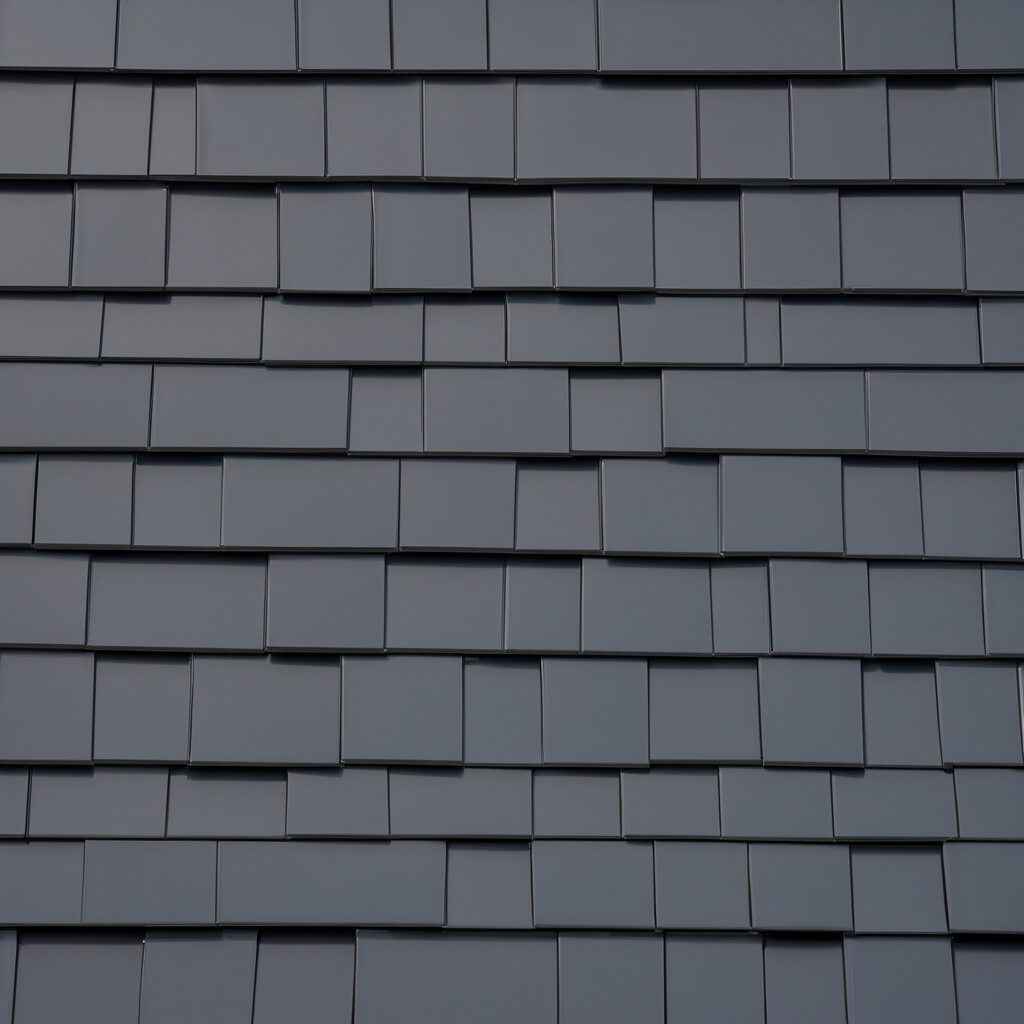

The roof is the highest-impact system on the survey. A well-maintained roof with remaining life cycles costs nothing except routine inspection. A roof that is near the end of its service life is the most expensive item a property manager will face. The survey documents the roof age, material type, visible damage, flashing condition, and remaining life. This information guides whether the building owner replaces now or extends service with repairs and monitoring.
Common survey findings and what to do
Next steps after reading your survey
Once you have the survey in hand, prioritize by urgency. Systems that are failing now—active leaks, structural issues—require immediate attention. Systems that are showing age and approaching replacement need to be budgeted for in the next capital plan. Routine maintenance items should be addressed on a schedule. Share the survey with any contractors you consult, so they understand the building's condition and can provide an estimate that reflects what they will actually find. A good contractor will read your survey, ask clarifying questions, and walk the property with you before quoting the work.