Roof Replacement Checklist
Walk through a roof replacement decision step by step, from the moment you know it needs to happen to the day the work finishes.
When the roof has to go
Your roof is leaking, or it is old, or a storm took part of it off. A roof replacement is not something you do twice in a lifetime.
It costs thousands of dollars. It takes weeks to schedule. Once it is done, it is not getting fixed again for twenty years.
If you have never done this before, it feels like everyone else knows the language and you do not. The biggest fear is paying too much, or hiring someone who cuts corners and then disappears.
This checklist walks you through what to do before you call anyone, what to ask when you do, and how to know you hired the right person.
Asphalt, metal or slate: lifespan against price
Asphalt shingles are the cheapest and the fastest to install. They last twenty to twenty-five years in this climate.
Metal roofing costs more upfront. It lasts forty to seventy years, reflects summer heat, and sheds snow and ice instead of holding them if installed right.
Tile or slate costs more again and lasts indefinitely. You also choose pitch, color, and your drainage system.
There is no right answer. There is only what fits your budget, your timeline, and how long you plan to own the building.
One thing all three have in common: the cheapest contractor is not the best deal. A roof that leaks three years into a twenty-year warranty is not saving you money.
Bids, scheduling, install days and warranty
Signs the new roof was finished properly

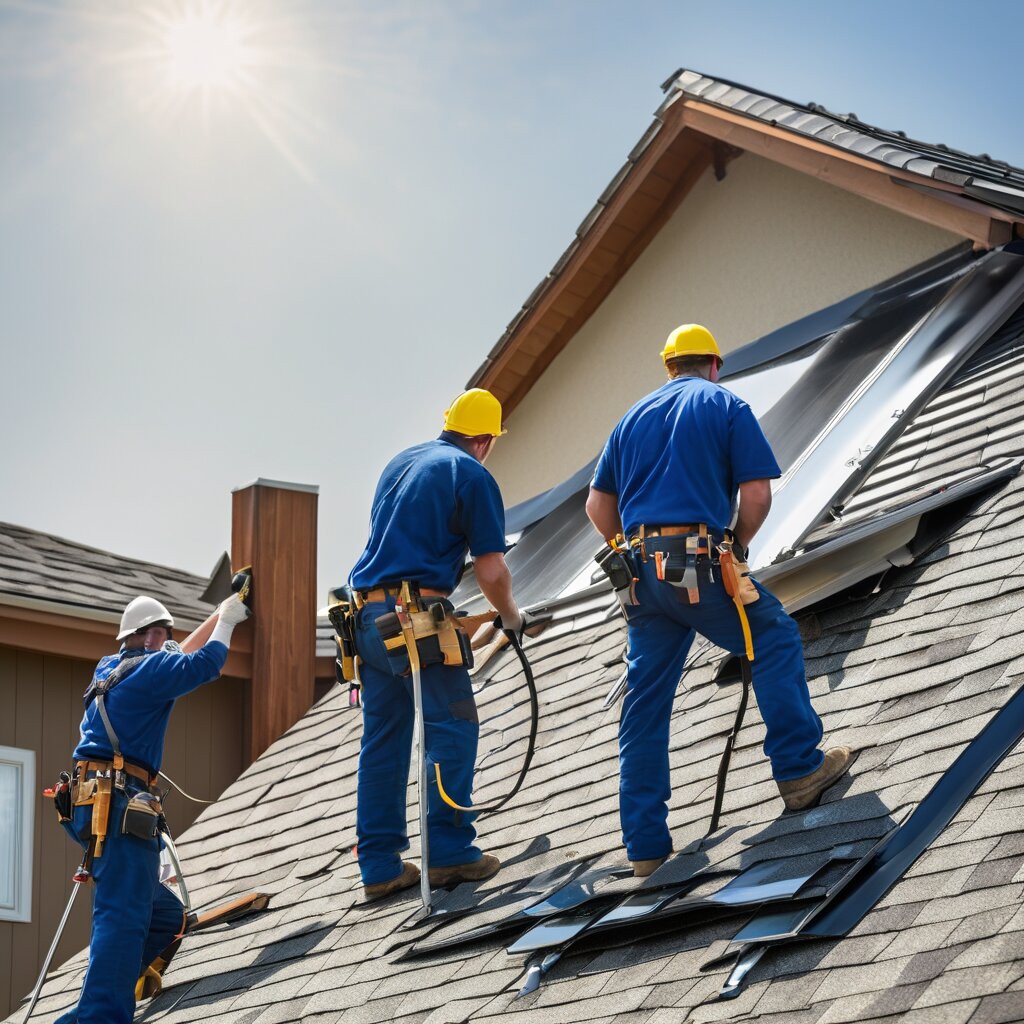
A finished roof looks clean. No debris left behind, gutters clean, flashing sealed, ventilation working.
The structure underneath should be dry. If you see soft spots or mold in the attic, something else needs fixing before the new roof goes on.
The contractor should point that out before they start, not after. A written warranty should come with the job—read it before you hire them.
Call now or call soon: timing the roofer

Call now if the roof is actively leaking. Call now if a storm took part of it off. Call now if you can see holes or soft spots from the attic.
Call soon if the roof is ten years old or older. Asphalt shingles start failing at twenty years, but often show problems earlier. Metal at twenty might look fine for another twenty more. You need someone who has looked at it to tell you which you are in.
Do not wait for the leak to get bad. Damage that spreads through hidden roof decking costs far more to fix than catching it early.
Additional resources
- National Roofing Contractors Association — technical guidelines, codes and consumer information on roofing materials and weather damage
- Cool Roof Rating Council — independent ratings of how roofing products reflect and release heat