Market Notes
Why the roofing decision you make today will define your building's maintenance for the next half-century.
The Asphalt Replacement Cycle We Kept Paying For
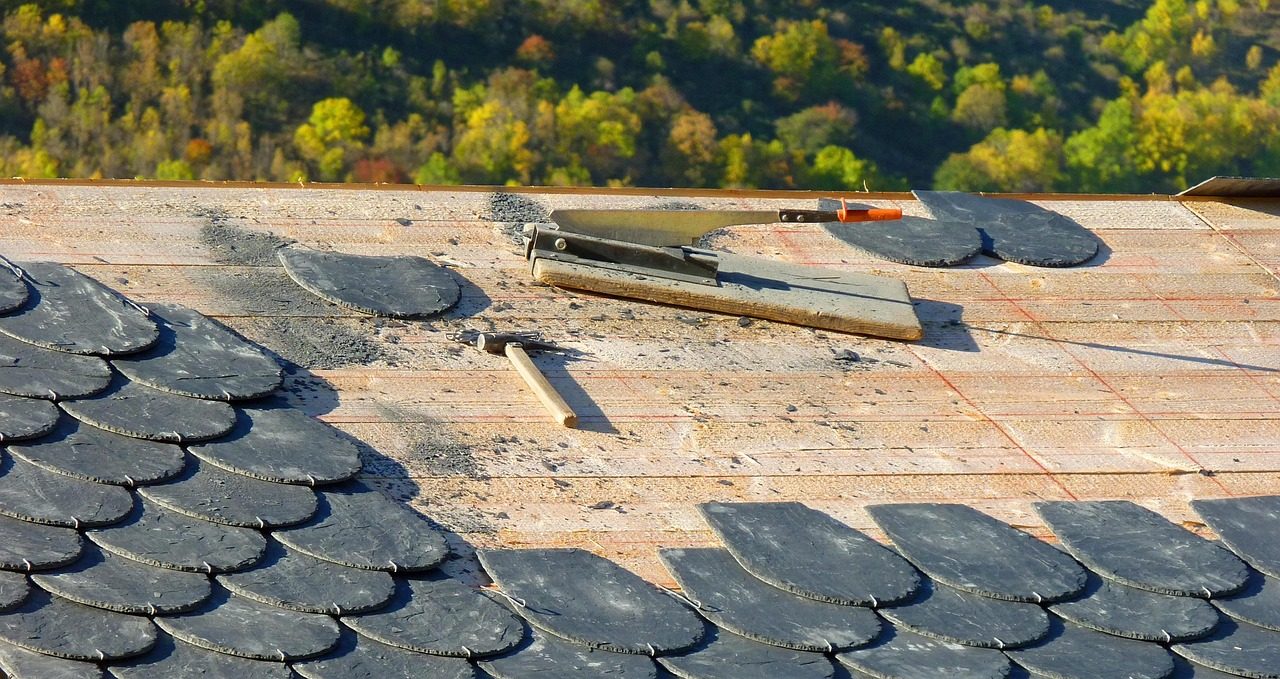
We manage properties across New Hampshire, and we've replaced enough roofs to see a pattern emerging. Every twenty to twenty-five years, the same sequence repeats: another contractor call, another $15,000 to $25,000 expense charged against the year's operating budget, more disruption to tenants during installation, the same questions about whether the work was done correctly. The asphalt roof becomes a cost center, not an asset. Three years ago, we started asking whether property owners in the Northeast actually have to accept this cycle as inevitable. We researched the alternatives, studied the performance data, and made a decision that changed how we think about our entire portfolio.
A metal roof isn't an upgrade if you own real estate in New England—it's the investment you make when you stop accepting that roofing failure is predictable and necessary.
That's not manufacturer's marketing material. It's the observation of someone responsible for maintaining buildings and managing budgets, not selling roofing products.
Metal Costs 30 to 40 Percent More Upfront
The objection is immediate, and it's legitimate. Metal roofing costs more upfront. Material and installation together run 30 to 40 percent higher than traditional asphalt shingles. For a landlord on a tight operating margin, that number represents real money that could go elsewhere—into unit improvements, property taxes, or reserves. From that perspective, the decision is straightforward. Why pay more today for something that works fine now?
Metal is the premium option. Premiums don't balance a lean operating budget.
That's not a weak argument. It's the first thing any owner or investor learns to fear, and it stops many conversations before they start. But it misses the fundamental question that actually matters in real estate: not what you pay today, but what you'll pay over the life of the building.
If you are running the same numbers on your own building, these sources help:
- InterNACHI's life expectancy chart, an inspectors' estimate of how long each roofing material lasts
- National Roofing Contractors Association, technical guidelines and consumer information on roofing materials
One Roof in Fifty Years Against Two
What changes is this: the question isn't whether metal costs more. It's whether a roof you replace once in fifty years costs less than a roof you replace twice in the same span. One path is reactive maintenance. The other is a long-term asset strategy. Once you calculate the total cost of ownership across decades, the premium shifts categories. It's no longer an upgrade—it becomes the cheaper option.